
What Does Hail Damage Look Like on a Roof: A Complete Visual Guide for Property Owners
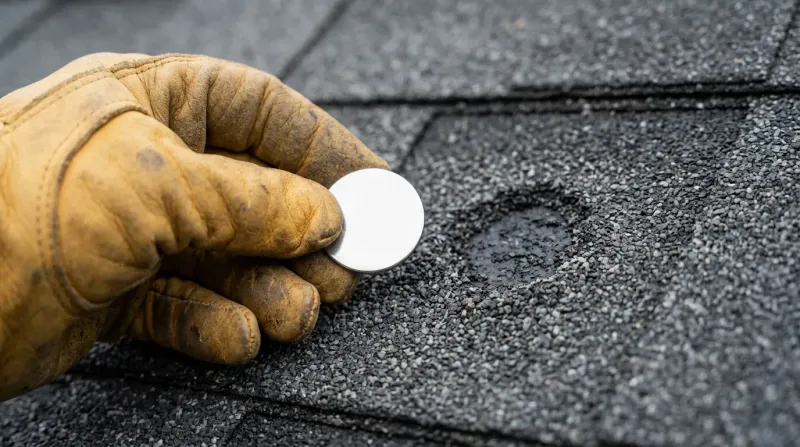
After a hailstorm, your roof might seem fine from ground level, but hidden damage could be silently compromising your home. Hail impacts can crack shingles, dislodge protective granules, and create entry points for water, leading to leaks, mold, and deteriorated insulation. These issues often remain undetected until they escalate into costly what does hail damage look like on roof problems that could have been prevented with early identification.
This comprehensive guide will walk you through identifying various forms of hail damage across different roofing materials, from telltale dents to subtle granule loss. You’ll learn how different hail sizes affect your roof, what visual cues indicate potential problems, and how to document damage properly for insurance claims. Keep reading to protect your investment and ensure your home remains safe and secure.
Understanding Hail Damage: Size Matters
Quarter-Size Hail and Its Impact
Quarter-size hail, about 1 inch in diameter, can cause significant damage to most roofing materials. When quarter-size hail strikes your roof, it can dislodge granules from asphalt shingles and potentially dent softer roofing materials. This size represents a common threshold where property owners should become concerned about potential roof damage.
Hail Size Chart: Understanding the Threat Scale
A hail size chart is an essential reference for property owners to assess potential damage risk. Meteorologists typically use everyday objects for size comparison:
| Hail Description | Diameter | Potential Damage |
| Pea-sized | ¼ inch | Minimal, if any |
| Penny-sized | ¾ inch | Minor granule loss |
| Nickel-sized | ⅞ inch | Moderate granule loss |
| Quarter-size | 1 inch | Significant granule loss, possible denting |
| Golf ball-sized | 1.75 inches | Severe damage to most roofing materials |
| Tennis ball-sized | 2.5 inches | Penetration through some roofing materials |
| Baseball-sized | 2.75 inches | Extreme damage, potential roof penetration |
Familiarizing yourself with this hail size chart helps you assess the severity of a storm and anticipate the level of inspection needed afterward.
What Size Hail Causes Roof Damage?
The question of what size hail causes roof damage depends on several factors, including your roofing material, its age, and the storm’s intensity. Generally:
- One-inch hail (quarter-sized) typically marks the threshold where most roofing materials begin to sustain noticeable damage. This size can cause significant granule loss on asphalt shingles and denting on metal roofs.
- Hail between 1 and 1.5 inches may create divots in asphalt shingles where granules are knocked away, exposing the mat beneath.
- Baseball-sized hail damage is severe and almost always requires immediate professional attention. At approximately 2.75 inches, hail this large can punch through roofing materials, creating holes and immediate leakage points.
The age and condition of your roof also play crucial roles. Older roofs with already compromised materials may sustain what size hail causes roof damage at smaller sizes than newer, more resilient roofs might withstand without issue.
Visual Identification of Hail Damage on Different Roofing Materials
What Does Hail Damage on Shingles Look Like?
This is one of the most common questions homeowners ask after a storm. Asphalt shingles display several distinctive signs of hail impact:
- Random damage pattern: Unlike wind damage, which affects specific areas, hail damage appears in random patterns across your roof.
- Bruising: Press gently on suspected impact sites. If you feel a soft spot or depression, this indicates potential underlying damage.
- Granule loss: Dark spots where protective granules have been knocked away, exposing the asphalt substrate beneath.
- Shiny asphalt: Fresh hail hits may reveal shiny black spots where the asphalt is freshly exposed.
- Circular impacts: Look for round-shaped damage approximately the size of the hailstones that fell.
Pictures of hail-damaged shingles often show circular impressions with granule loss concentrated at the center of the impact. If you’re unsure what you’re seeing, comparing your roof to hail-damaged shingles photos online can help confirm your observations.
Metal Roof Hail Damage Indicators
Metal roofing shows hail damage differently than asphalt shingles. Key indicators include:
- Dents and dings that match the size of the hailstones
- Paint chipping away at impact points, exposing bare metal
- Dimpling across flat surfaces
- Punctures in thinner gauge metal from larger hailstones
Unlike organic materials, metal roofing won’t “heal” or expand back to its original shape after impact, making quarter-sized hail damage more visually apparent. Understanding what hail damage to shingles looks like helps you differentiate between damage types on various roofing materials.
Tile and Slate Roof Damage Signs
Concrete, clay tiles, and slate roofing materials exhibit different hail damage patterns:
- Cracks radiating from impact points
- Chips and breaks, especially at the edges of tiles
- Star-shaped or spider-web cracking patterns
- Complete fractures or holes in severe cases
These premium roofing materials often exhibit more catastrophic damage from significant hail events, as their brittle nature tends to cause them to crack rather than dent. Pictures of hail-damaged shingles typically look different from hail damage on tile or slate roofs.
Comprehensive Inspection Checklist for Property Owners
Signs of Hail Damage to Look For
Conducting a thorough inspection after a hailstorm is essential. Here’s what to include on your checklist for signs of hail damage to the roof:
- Examine multiple areas of the roof, as damage may not be uniform
- Look for patterns of granule loss in asphalt shingles
- Check for cracked, broken, or missing shingles
- Inspect metal flashing, vents, and chimney caps for dents
- Look for damage to roof-mounted equipment (HVAC, satellite dishes)
- Check skylights for cracks or impact marks
- Examine gutters and downspouts for dents or detachment
For a more thorough assessment, the benefits of attic insulation include creating an accessible space to check for leaks from the underside of your roof deck. Identifying signs of hail damage to the roof early can prevent more serious issues later.
Interior Warning Signs
Hail damage may manifest inside your home through:
- Water stains on ceilings or walls
- New leaks during rainfall
- Damp insulation in the attic
- Unexplained drafts or temperature fluctuations
- Light is visible through the roof deck when in the attic
Does homeowners’ insurance covers water damage from roof leaks? That depends on the cause and timing. Most policies cover sudden damage from specific events, such as hailstorms, but may deny claims for long-term neglect. Understanding the conditions for a roof leaking insurance claim is essential for proper coverage.
Gutter and Downspout Examination
Your gutters can tell an important story about roof damage:
- Dented or damaged gutters and downspouts
- Excessive granule accumulation in gutters or at downspout outputs
- Detached or sagging sections where hail impact was significant
- Visible impacts that align with roof damage patterns
Proper gutter maintenance is crucial for preserving your roof’s integrity, similar to how TPO roof maintenance is vital for commercial properties.
Documentation and Insurance Considerations
Filing a Home Insurance Claim for Roof Damage
Filing a home insurance claim for roof damage requires thorough documentation:
- Take dated photographs of all visible damage from multiple angles
- Document the date and time of the hailstorm
- Note the approximate size of hailstones (using coins or rulers for scale)
- Save weather reports that confirm hail in your area
- Keep samples of damaged materials if possible
- Document any interior damage resulting from roof compromise
Start the claims process promptly, as many policies have time limits for reporting storm damage. Having clear pictures of roof hail damage to shingles will significantly strengthen your ability to file a home insurance claim for roof damage.
Does Homeowners Insurance Cover Roof Damage From Storms?
Does homeowners’ insurance cover roof damage from storm events like hail? Generally, yes, but coverage varies by policy. Most standard homeowners’ policies include coverage for hail damage under dwelling coverage, but with important considerations:
- Deductibles may be higher for hail and wind damage in high-risk areas
- Some policies offer actual cash value rather than replacement cost
- The age and condition of your roof may affect coverage
- Cosmetic-only damage might be excluded in some policies
For buildings with flat roofs, understanding how insurance applies to commercial flat roofing systems requires specialized knowledge.
Will Insurance Cover a New Roof?
When asking “ will insurance cover a new roof” or “ insurance cover a leaking roof” situations, it’s important to understand the causality requirements. Insurance typically covers roof replacement when:
- The leak is caused by a covered peril (like hail or wind)
- The damage was sudden and accidental, not due to neglect
- The claim is filed promptly after the damage occurs
- The roof was properly maintained before the damaging event
For older roofs, insurers may depreciate coverage based on age and condition. Understanding the difference between 30-year vs 50-year shingle costs can help you make informed decisions when replacing a damaged roof. For baseball-sized hail damage, insurance usually provides complete replacement coverage.
When to Call a Professional: Hail Damage Roofing Inspection
The Importance of Expert Assessment
While self-inspection is valuable, a professional hail damage roofing inspection provides several advantages:
- Trained eyes can spot subtle damage invisible to homeowners
- Professionals can safely access steep or high areas
- Experts understand the difference between hail damage and normal wear
- Professional documentation carries more weight with insurance companies
- Contractors can assess structural integrity beyond surface damage
For specialized roofing systems like those using closed-cell spray foam for insulation, professional assessment becomes even more critical. A thorough hail damage roofing inspection can identify issues such as wind-blown shingles that may have occurred during the same storm.
What to Expect During a Professional Inspection
A thorough professional inspection for roof shingle damage typically includes:
- Complete examination of all roof slopes and planes
- Inspection of valleys, ridges, and penetration points
- Attic inspection for water intrusion signs
- Documentation of all damage with photographs and measurements
- Assessment of repair vs. replacement needs
- Detailed written report for insurance purposes
- Honest evaluation of damage severity and urgency
The inspector will look for hail damage shingles, identify opportunities to document your specific damage, and compare it to known patterns of roof shingle damage from similar storms.
Timeline for Repairs After Damage
After identifying shingle hail damage or wind-blown shingles on the roof, the repair timeline depends on several factors:
- Severity of the damage and whether immediate patching is required
- Insurance claim processing time (typically 15-30 days)
- Contractor availability (often extended after widespread storm damage)
- Material availability for your specific roofing type
- Weather conditions are suitable for proper roof work
For significant damage, temporary protective measures, such as tarping, may be necessary while permanent repairs are arranged. Addressing shingle hail damage promptly helps prevent secondary issues that might arise from delayed repairs.
Address Hail Damage Today!
Identifying and addressing hail damage promptly can save you thousands in secondary damage costs and preserve your home’s structural integrity. From understanding what different sizes of hail can do to your roof to recognizing the subtle signs of impact damage, being proactive after a storm is your best defense. Remember that while some damage is obvious, the most dangerous issues often remain hidden to untrained eyes, potentially compromising your roof’s performance long after the storm has passed.
Brandon J Roofing brings years of specialized expertise in storm damage assessment and repair, helping property owners navigate the complex process of damage identification and insurance claims. Our team of certified inspectors uses a methodical approach to document all evidence of hail impact, ensuring you receive the maximum coverage you’re entitled to under your policy. Don’t leave your home’s primary defense system to chance after a hailstorm – professional evaluation provides both peace of mind and protection for your investment.