
Architectural Shingles vs. 3-Tab: Which Roof Material is Best?
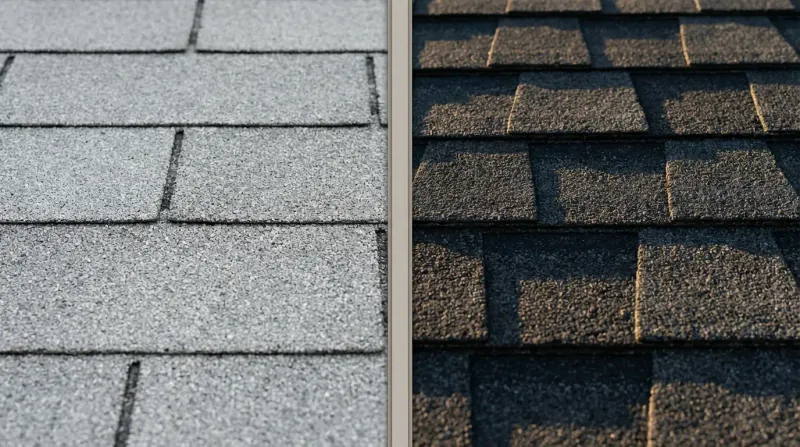
Choosing the right shingles for your roof is one of the most important decisions you’ll make for your home. This critical choice affects not just how your house looks, but also how well it’s protected, how much maintenance you’ll need, and ultimately, your long-term costs. Many homeowners find themselves torn between standard 3-tab shingles and the premium architectural shingles when planning their roofing project.
The difference between these two popular options goes beyond just appearance. From durability and lifespan to cost and weather resistance, understanding the pros and cons of each type can save you thousands of dollars and countless headaches. In this guide, we’ll break down everything you need to know about 3-tab and architectural shingles to help you make the best decision for your home and budget.
Understanding the Basics: What Sets These Shingles Apart
Before diving into comparisons, it’s essential to understand the types of shingles on the market today. Let’s take a look:
What Are 3-Tab Shingles?
3-tab shingles are the traditional, flat shingles that dominated the market for decades. They’re named for their design—each shingle strip has three tabs that look like separate pieces after installation. As one of the most common types of residential roofs, 3-tab shingles offer a uniform, flat appearance with a single layer of material.
These basic shingles typically weigh less and use less material than their architectural counterparts. For many years, they were the standard choice for most homes, especially for budget-conscious projects. They’re still chosen today for many rental properties and economy-focused construction.
What Are Architectural Shingles?
Also known as dimensional shingles, architectural shingles consist of multiple layers of material laminated together to create a thicker, more dimensional appearance. This multi-layered construction gives them a textured, three-dimensional look that many homeowners prefer.
The varied thickness and shadow lines of architectural shingles can mimic the appearance of more expensive materials, such as slate or wood shake. As one of the premium kinds of roofs available today, they’ve become increasingly popular for homes in all price ranges due to their enhanced appearance and performance.
Cost Comparison: Initial Investment vs. Long-Term Value
Upfront Price Differences
The most immediate difference you’ll notice between these different roof materials is the price:
- 3-Tab Shingles: $70-$100 per square (100 sq. ft.)
- Architectural Shingles: $100-$150+ per square
This makes 3-tab shingles approximately 30-40% less expensive for the initial purchase. For an average 2,000-square-foot roof, this could mean a difference of $600-$ 1,000 in material costs alone. When evaluating different roof materials, this price gap is often the first consideration for budget-conscious homeowners.
Lifecycle Cost Analysis
How long are roof shingles good for? When considering the true cost of your roof, it’s essential to look beyond the initial price tag and see the long-term benefits and durability. For example:
- 3-Tab Shingles: Typically last 15-20 years
- Architectural Shingles: Often last 25-30+ years
This longer lifespan means that, while you might pay more upfront for architectural shingles, you’ll likely need to replace your roof less frequently. The math often favors the premium option when calculated over 30+ years of home ownership.
Durability and Weather Resistance: The Protection Factor
Wind Resistance Comparison
One of the most important performance differences between these shingles is their ability to withstand high winds:
- 3-Tab Shingles: Typically rated for 60-70 mph winds
- Dimensional shingles: Often rated for 110-130 mph winds
For homeowners in areas prone to storms, hurricanes, or high winds, this difference alone can make architectural shingles the clear choice. Many premium options, like duration roofing shingles offer even higher wind ratings with enhanced installation methods.
Weather and Impact Resistance
Beyond wind, consider how these types of shingles for homes handle other weather challenges:
- Weight: Architectural shingles are 50-100% heavier, providing better stability during storms
- Impact resistance: The thicker construction of architectural shingles offers better protection against hail and falling debris
- Temperature fluctuations: Premium shingles typically handle freeze-thaw cycles better than basic 3-tab options
For many homeowners, the enhanced protection offered by architectural options like Corning architectural shingles justifies the higher initial investment, especially in regions with severe weather. When comparing shingle types for roofs, the superior weather resistance of premium options often becomes the deciding factor for those in storm-prone regions.
Aesthetic Appeal: Enhancing Your Home’s Look
The appearance of your roof has a major impact on your home’s overall look and value. This is where the differences between these different types of roof styles become most visible.
Dimensional Appearance
3-tab shingles create a flat, uniform pattern across your roof. In contrast, architectural shingles create shadow lines and texture that add visual interest and dimension. This enhanced appearance is one reason many homeowners choose architectural options even when budget is a consideration. Among different types of roof styles, the dimensional look offers superior curb appeal.
Color Options and Variety
Both types offer color choices, but architectural shingles typically provide more sophisticated options:
- Basic 3-tab shingles: Limited color palette, typically 8-10 options
- Colors of architectural shingles: Extensive selection with blended colors, highlights, and shadow effects
Premium options, such as OCduration Sand Dune or Oakridge Estate grey shingles, offer subtle color blending that creates a more upscale look. When considering what color of shingles is best, architectural options provide more flexibility to complement your home’s design elements.
Curb Appeal and Home Value
Real estate professionals consistently report that architectural shingles add more curb appeal and potential value to a home. For homes in mid-to-high price neighborhoods, architectural shingles have essentially become the expected standard for shingle roof styles. If you’re wondering what color of shingles offers the best resale value, neutral options like Oakridge Estate Grey shingles provide broad appeal while adding sophistication to your home’s exterior.
Installation Considerations: The Process Matters
Weight and Structural Requirements
Before choosing between these types of residential roofs, consider your home’s structural capacity:
- 3-Tab shingles: Approximately 165-235 pounds per square
- Architectural shingles: Approximately 250-430 pounds per square
Some older homes may require structural evaluation before installing heavier materials. This is especially important when upgrading from 3-tab to architectural shingles during roof shingle replacement.
Installation Complexity
The installation process differs between these options:
- 3-Tab shingles: Simpler installation with precise alignment requirements
- Architectural shingles: More forgiving installation pattern, but require proper handling of the heavier materials
Professional installation is recommended for both types, but especially for premium products like True Definition shingles, to ensure proper warranty coverage.
Material Requirements
When calculating materials, you’ll need to know how many bundles of shingles are required for a square of your project. Typically:
- 3-Tab shingles: 3 bundles per square
- Architectural shingles: 3-4 bundles per square (due to their heavier construction)
This difference affects not just material costs but also transportation and labor requirements.
Warranty and Long-Term Protection
Manufacturer Warranty Differences
The warranty coverage reveals manufacturers’ confidence in their products:
- 3-Tab shingles: Typically 15-25 year limited warranties
- Architectural shingles: Often 30-lifetime limited warranties
Premium products, such as colors of architectural shingles, typically come with the most comprehensive coverage, including better protection against manufacturing defects and color fading.
Enhanced Warranty Options
Many architectural shingles offer premium warranty options when installed by certified contractors. These enhanced protections may include:
- Longer non-prorated periods
- Coverage for labor costs
- Transferability to new homeowners
- Better wind and algae resistance coverage
For many homeowners, these improved warranties provide peace of mind that justifies the higher initial investment. Premium options, such as duration roofing shingles, often come with the industry’s strongest warranty protection.
Making Your Decision: Which Shingle is Right for You?
When choosing between what are the different roof types, consider these key factors:
- Budget: Both immediate and long-term financial considerations
- Climate: Local weather patterns and typical conditions
- Home value: How the roof affects your property value
- Aesthetic preferences: The look you want to achieve
- Planned ownership duration: How long you intend to stay in your home
For many homeowners, the decision comes down to this simple question: Is the roughly 30-40% premium for architectural shingles worth the benefits in longevity, appearance, and performance? Understanding the different roof types available helps you make an informed choice that balances aesthetics, performance, and budget.
Brandon J Roofing: Upgrading Your Home One Shingle at a Time
As you consider the types of roofs for your home, remember that your choice affects both your curb appeal and long-term protection. If you want professional advice, you’ve come to the right place. At Brandon J Roofing, we’ve helped countless homeowners navigate this important decision with expert guidance tailored to each home’s specific needs.
Our team understands the subtle differences between these options, from basic 3-tab products to premium architectural solutions. Whether you’re looking for maximum value, optimal protection, or the perfect balance of both, we’re here to help you make the choice that’s right for your home and budget.